
— protect the ground your property depends on
erosion control
in southern Ohio
When soil keeps washing away, the damage can change how you use your land. Nathan Excavating helps Southern Ohio property owners with riprap installation, shoreline stabilization, slope protection, and related drainage work. Show us where the ground is changing and what you need to protect.
- Locally owned in Waverly, Ohio
- Residential and commercial projects
- Clear estimates and communication
protection where the ground is vulnerable
address soil loss around your property
A worn-away bank, a bare slope, or soil disappearing beside a culvert each deserves a closer look. We discuss the affected area, surrounding ground, and water movement to define the protection your property needs.
01 / PROTECT EXPOSED GROUND
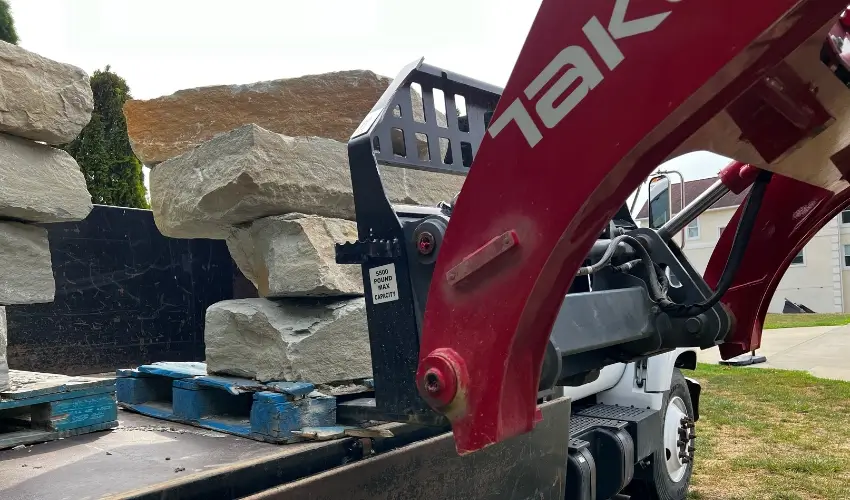
Riprap Installation
Use placed stone to help protect soil in areas exposed to moving water. We review where the protection is needed and the site conditions that affect its placement and extent.

02 / ADDRESS ERODING EDGES
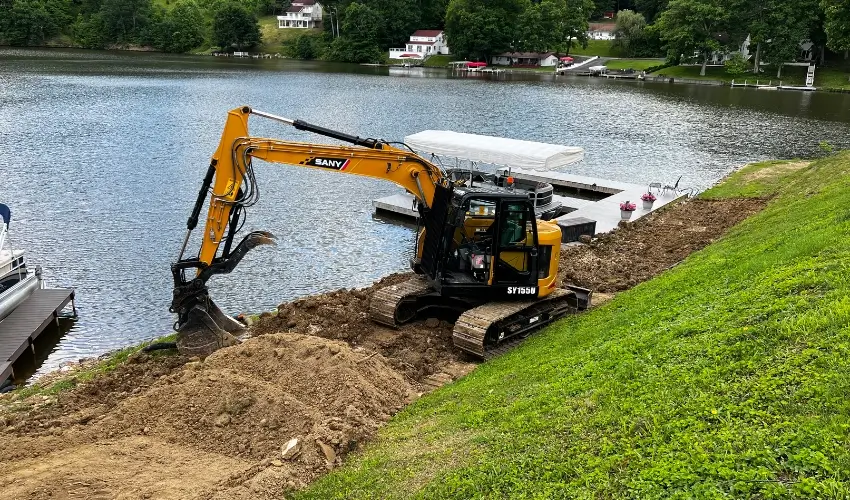
Shoreline Stabilization
Discuss soil loss along a shoreline or creek bank and the property features nearby. The condition of the edge, water activity, equipment access, and any project plans help define the work.

03 / PROTECT THE SLOPE
Slope Protection
Address exposed or eroding ground on sloped areas. Tell us where soil is being lost, what lies above and below the slope, and whether the same area has needed repeated repairs.

04 / CONNECT THE DRAINAGE WORK
Drainage & Culvert Improvements
Consider the drainage route alongside the erosion problem. Culvert installation or changes to surface drainage may be part of the project, with attention to the ground around the inlet and outlet.
look for changes in the ground
where is your property losing ground?
Photos taken at different times can help explain how an erosion problem is developing. Show us the affected area and the land around it, including what has changed after rain or earlier repairs.
01
A Slope That Keeps Washing Out
Point out bare patches, channels cut into the ground, and soil collecting downhill. Tell us when the damage began and whether previous repairs held up after rain.
03
Soil Loss Around a Drainage Outlet
Share photos of the culvert or drainage route and the ground beyond it. Explain where water arrives, where it leaves, and where the most noticeable damage occurs.
02
A Shoreline or Bank That Is Changing
Show us where the edge has worn away and any exposed roots or missing soil. Include nearby structures, access routes, or other features you want considered in the plan.
04
An Edge That Needs Repeated Repairs
Tell us about driveway shoulders, drainage edges, or other areas that keep losing material. Describe what has been added or repaired before and what happens during the next rainfall.
Look beyond the damaged spot
plan the repair & the proection together
Replacing lost material is one part of the job. The plan also needs to consider what is contributing to the erosion, how the protected area connects to the surrounding ground, and what happens after installation.
THE CONDITIONS
Water Movement & Ground Shape
Review the water reaching the area and the slopes around it. Changes upstream or elsewhere on the property may affect the trouble spot and the work needed there.
THE PROTECTED AREA
Materials, Extent, & Connections
Define the area to protect and how the work will meet existing ground, drainage features, or shoreline edges. Material selection and installation details need to fit the conditions and any applicable project design.
THE FINISHED WORK
Restoration & Ongoing Attention
Agree on the condition of the work area and equipment route afterward. Discuss what to watch for after heavy rain, including displaced stone, new bare areas, or renewed soil loss.
from visible damage to an agreed plan
Let’s plan your erosion control project
Step one
Show us what has changed
Start with the property location, photos, and a description of the soil loss. Share how long it has been happening, what you want to protect, and any repairs already attempted.
Step two
Review the site & requirements
We’ll discuss the affected ground, water movement, access, and available plans. A site assessment may be needed before recommending work or preparing a quote. Identify any design or approval needs before construction is scheduled.
Step three
Agree on scope & timing
Confirm the area to protect, materials, related drainage work, and expected finish. Discuss scheduling around site conditions and project readiness, along with any work that must happen first.
Need a quote for your erosion control project?
Fill out our contact form with your project information and our expert team will reach back out as soon as possible!
a southern ohio company
erosion control services Across southern ohio
Nathan Excavating is owned by Todd and Jake Nathan. We work with homeowners, landowners, businesses, and contractors on erosion control and related property improvements throughout Southern Ohio. Tell us where the problem is and how it is affecting your land.
Nearby community? Share your address so we can discuss the project and availability.

Todd & Jake Nathan · Co-founders
before the protection work starts
erosion control questions
Start with what you can see and the changes you have noticed. We can discuss the site conditions and information needed to define the project.
What is riprap, and where is it used?
Riprap is protective stone placed over soil in areas exposed to moving water. It can be used around drainage features, slopes, and banks where suitable. Stone selection, site preparation, and the area covered depend on the conditions and project design.
How is erosion control different from grading and drainage?
Grading changes the shape of the ground, and drainage work addresses how water moves. Erosion control focuses on protecting soil from being worn away. A property may need these services together when runoff is contributing to recurring soil loss.
Can you help with an eroding shoreline or creek bank?
Shoreline stabilization and bank-related erosion concerns are part of the work we discuss with property owners. Share the location, photos, access information, and any available plans. The site conditions and project requirements need review before the scope and timing are confirmed.
Is adding more stone always the answer?
No. Existing damage, slope conditions, water movement, and how protection meets the surrounding ground all matter. A site assessment helps determine whether stone protection is appropriate and whether related drainage or grading work is needed.
What affects the cost of erosion control?
The size and condition of the affected area, access, preparation, material quantities, hauling, and related drainage work affect the scope. Project design requirements and the expected finish also matter. A site assessment may be needed before an estimate.
Does erosion-control work need attention afterward?
Yes. Conditions can change, and protective areas should be checked for damage, particularly after major storms. Watch for moved stone, exposed soil, or renewed washouts, and discuss the care appropriate to your installation when the work is planned.
let's address the ground you're losing
Tell us about the slope, bank, shoreline, or drainage area that needs attention. We’ll discuss the site conditions and erosion-control work your property may need.